
Ahmad Shamlou Poems in English Translation
Ahmad Shamlou
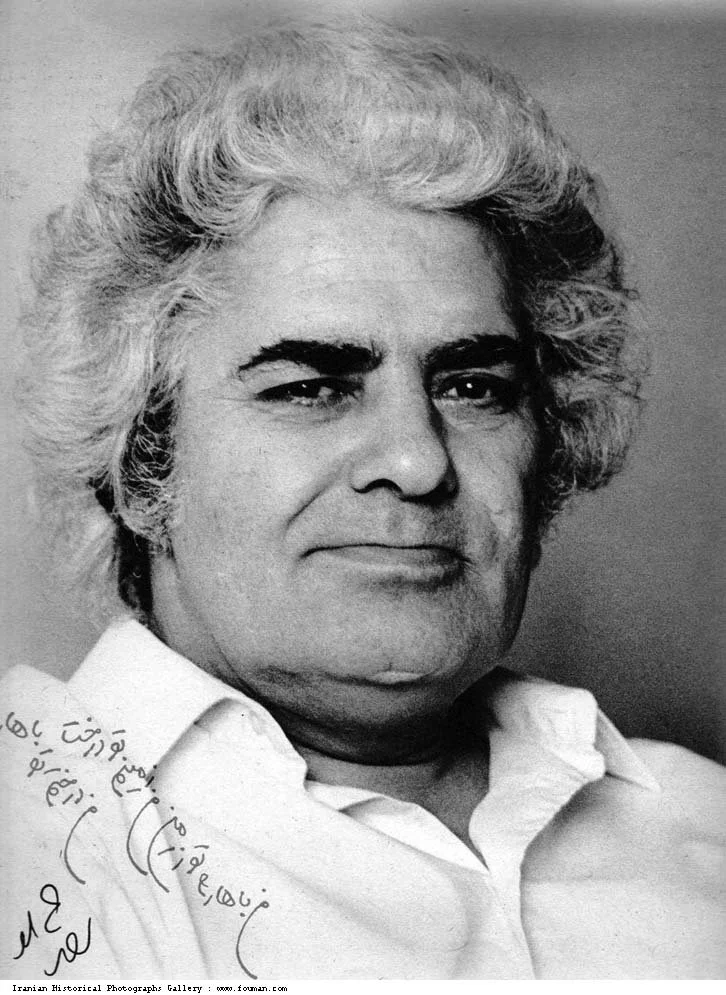
احمد شاملو (۲۱ آذر ۱۳۰۴–۲ مرداد ۱۳۷۹) متخلص به الف. بامداد، شاعر، فیلمساز، روزنامهنگار، پژوهشگر، مترجم، و فرهنگنویس ایرانی بود
Nobel-Prize nominated poet, Ahmad Shamlou (December 12, 1925 – July 23, 2000), is one of the most influential cultural figures of Iran. A writer, translator, encyclopedist, and critic, he synthesized international aesthetic ideas with Iranian traditions and practices to foment a modernist revolution in Iranian poetics and help cement its transition from metrical poetry to free verse in subject and form. Ahmad Shamlou went by the pen names A. Bamdad, Alef Bamdad, or Bamdad الف بامداد. His name is also spelled as Shamloo, Shamlu, and Shamlū.
Ahmad Shamlou has served as inspiration for several of Niloufar’s projects, including a TEDx Talk, an opera (Abraham in Flames), a poetry-film (Funeral Address), and two books, Elegies of the Earth: Selected Poems by Ahmad Shamlou (World Poetry, 2025), and Self-Portrait in Bloom (l’Aleph, 2019) a hybrid memoir and literary portrait of Shamlou.
These award-winning English translations of Ahmad Shamlou’s poetry — praised as “superb,” “marvelous,” and “expert” — are published in Elegies of the Earth: Selected Poems by Ahmad Shamlou (World Poetry Books, 2025). Earlier versions were published in Self-Portrait in Bloom (l’Aleph, 2019), Niloufar Talebi’s memoir that includes a literary portrait of Shamlou and early translations of poems, selected letters, quotes, and other material.

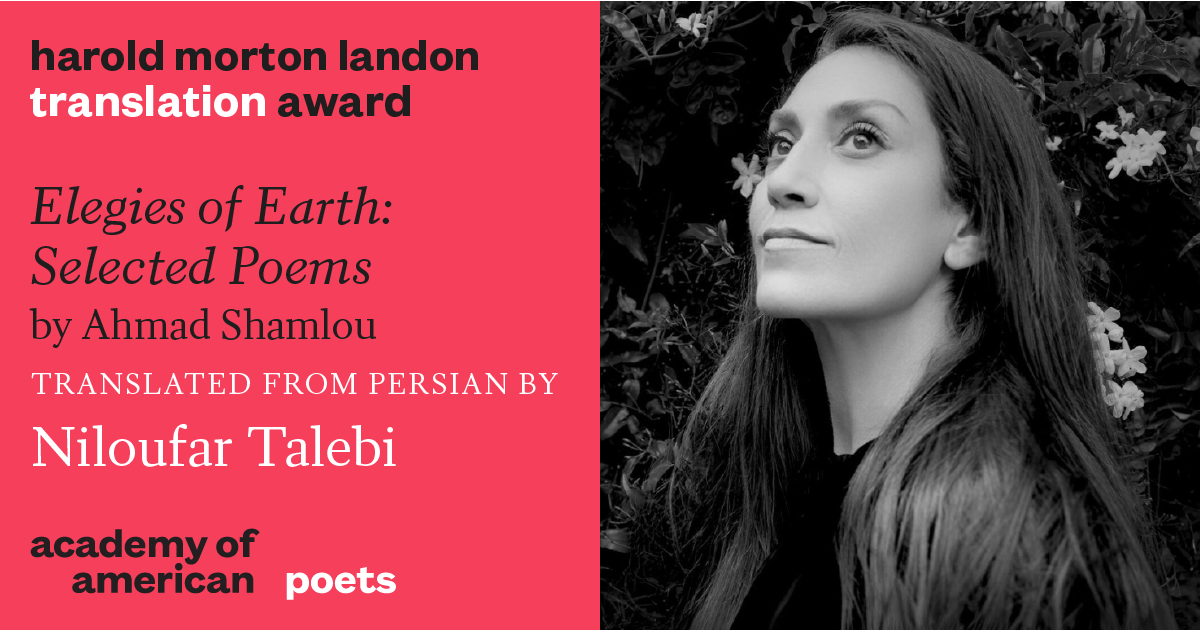
The Academy of American Poets Announces Niloufar Talebi Winner of the 2026 Harold Morton Landon Translation Award for translating “Elegies of the Earth: Selected Poems” by Ahmad Shamlou from Persian into English
Niloufar Talebi is awarded a 2024 National Endowment for the Arts Translation Fellowship for her translations of Ahmad Shamlou’s poetry
خطابهیِ تدفین
غافلان
،همسازند
تنها توفان
.کودکانِ ناهمگون میزاید
همساز
،سایه ساناناند
محتاط
.در مرزهایِ آفتاب
در هیأتِ زندهگان
.مردهگاناند
وینان
،دل به دریا افگناناند
به پای دارندهیِ آتشها
زندهگانی
دوشادوشِ مرگ
پیشاپیشِ مرگ
هماره زنده از آن سپس که با مرگ
و همواره بدان نام
،که زیسته بودند
که تباهی
از درگاهِ بلندِ خاطرهشان
.شرمسار و سرافکنده میگذرد
کاشفانِ چشمه
کاشفانِ فروتنِ شوکران
جویندهگانِ شادی
در مِجْرییِ آتشفشانها
شعبدهبازانِ لبخند
در شبکلاهِ درد
با جاپائی ژرفتر از شادی
.در گذرگاهِ پرنده گان
□
در برابرِ تُندر میایستند
.خانه را روشن میکنند
.و میمیرند
اردیبهشتِ ۱۳۵۴
ازدشنه دردیس۱۳۵۶
بودن
گر بدینسان زیست باید پَست
من چه بی شرمام اگر فانوسِ عمرم را به رسوائی نیاویزم
.بر بلندِ کاجِ خشکِ کوچهیِ بنبست
گر بدینسان زیست باید پاک
من چه ناپاکام اگر نَنْشانم از ایمانِ خود، چون کوه
.یادگاریْ جاودانه، بر ترازِ بیبقایِ خاک
۱۳۳۲
از هوایِ تازه ۱۳۳۶
بچههایِ اعماق
گفتار برایِ یک ترانه، در شهادتِ احمد زیبرم
به علیرضا اسپهبد
در شهرِ بیخیابان میبالند
،در شبکهیِ مورگییِ پسکوچه و بُنبست
آغشتهیِ دودِ کوره و قاچاق و زردزخم
،قابِ رنگین در جیب و تیرکمان در دست
بچههایِ اعماق
بچههایِ اعماق
باتلاقِ تقدیرِ بیترحم در پیش و
،دشنامِ پدرانِ خسته در پُشت
نفرینِ مادرانِ بیحوصله در گوش و
،هیچ از امید و فردا در مشت
بچههایِ اعماق
بچههایِ اعماق
□
بر جنگلِ بیبهار میشکفند
،بر درختانِ بیریشه میوه میآرند
بچههایِ اعماق
بچههایِ اعماق
با حنجرهیِ خونین میخوانند و از پا درآمدنا
درفشی بلند به کف دارند
کاوههایِ اعماق
کاوههایِ اعماق
۱۳۵۴
ازترانههایِ کوچکِ غُربت ۱۳۵۹
Funeral Address
The unknowing are alike
Only the tempest
breeds peerless children.
Those alike
are shadow-like,
cautious
on the fringes of sunlight,
dead
in the guise of the living.
And these,
they are the throwers of caution to the wind,
guardians of fires,
the living shoulder to
shoulder with death,
marching ahead of death,
forever alive after death,
and forever by the name
with which they lived,
for ruin
passes under their towering vision
downcast and shamefaced.
Discoverers of the fountainhead,
humble discoverers of hemlock,
seekers of joy
in the volcanos’ path,
magicians of smiles
in nightcaps of pain,
with footprints deeper than joy
in the flyways of birds.
□
They brace thunder,
enlighten the house
and die.
May 15, 1975
From Dagger in the Tray (1977)
Translated from the Persian by Niloufar Talebi
from Elegies of the Earth: Selected Poems by Ahmad Shamlou
Being
If life must be lived this lowly
how shameful of me not to hang the lamp of my life
high on the dry pine of a dead-end road.
If life must be lived this purely
how impure of me not to leave an eternal mark of my faith,
like a mountain,
on the fleeting face of the earth.
1953
From Fresh Air (1957)
Translated from the Persian by Niloufar Talebi
from Elegies of the Earth: Selected Poems by Ahmad Shamlou
Children of the Depths
song lyrics on the martyrdom of Ahmad Zibaram
for Alireza Espahbod
They grow in a street-less city
in capillaries of back alleys and dead-ends
tarred in brick-kiln ash and contraband and skin sores
colored knucklebones in pocket and slingshot in hand
Children of the depths
Children of the depths
A merciless swamp of a fate ahead and
vitriol of weary fathers behind them
curses of dispirited mothers in their ears and
no hope and tomorrow in their fist
Children of the depths
Children of the depths
They blossom in the spring-less forest
bear fruit on rootless trees
They sing with bleeding throats and in defeat
hold high a banner in hand
Kavehs of the depths
Kavehs of the depths
1975
From Little Songs of Exile (1980)
Translated from the Persian by Niloufar Talebi
from Elegies of the Earth: Selected Poems by Ahmad Shamlou
Elegies of the Earth: Selected Poems by Ahmad Shamlou
Edited and Translated from Persian by Niloufar Talebi
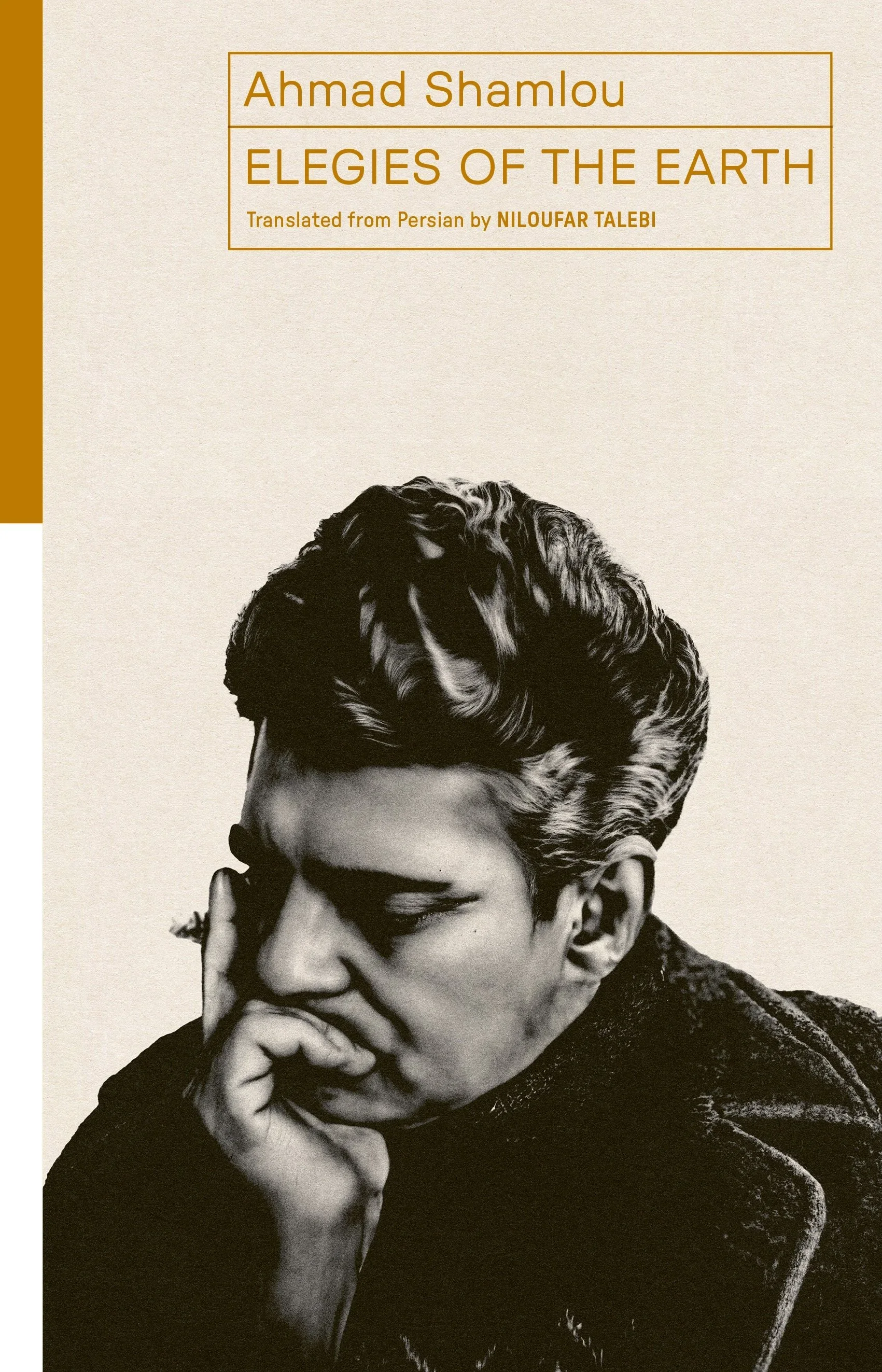
WINNER OF THE ACADEMY OF AMERICAN POETS
2026 HAROLD MORTON LANDON TRANSLATION AWARD
A sweeping centennial edition of Iran’s iconic twentieth-century poet of liberty, whose work shaped modern Persian poetry.
Known for his political engagement and deep humanism, and his pivotal role in Persian poetry’s modernist turn toward free verse, Ahmad Shamlou (1925–2000) crafted poems that carried both lyrical intimacy and cultural force. A central, defiant voice in Iran’s modern literary history, Shamlou championed the power of poetry as an instrument of liberation. His work, long suppressed in his homeland, remains urgent for readers everywhere confronting censorship, exile, and erasure. This bilingual edition honors Shamlou’s centennial with the most expansive selection of his poetry to date in English, encompassing his wide thematic range: from fierce protest to intimate love, mythic storytelling to existential reflection. Niloufar Talebi’s vibrant translations and deeply researched commentary shine new light on Shamlou’s legacy and his relevance today.
(World Poetry Books, Nov. 2025)
“Shamlou is a master of lucidity, insight, and image. What a gift at last to have these lucid, graceful, and formally confident translations by Niloufar Talebi.” —Matthew Zapruder
“Niloufar Talebi has successfully undertaken the nearly impossible task of translating Ahmad Shamlou’s poetry, opening his words to a generation of English-language readers. Shamlou’s voice, at once elevated and vernacular, classical and modern, is notoriously difficult to render into English. Yet Talebi’s years of deep engagement with Shamlou’s poetry breathe ‘fresh air’ into the poems of this iconoclastic, masculine author. Her thoughtful selection is further enhanced by judicious notes and references that deepen the reader’s understanding. What better way to mark the centennial of this towering Iranian poet than with these lovingly crafted, vivid translations.”
—Kaveh Bassiri
“After decades of work, Shamlou reached such an undeniable stature that neither praise nor criticism could alter his place in history. The greatest tribute I can offer this giant is not commentary, but simply to recite one of his poems.” —Abbas Kiarostami
Self-Portrait in Bloom
A hybrid memoir by Niloufar Talebi
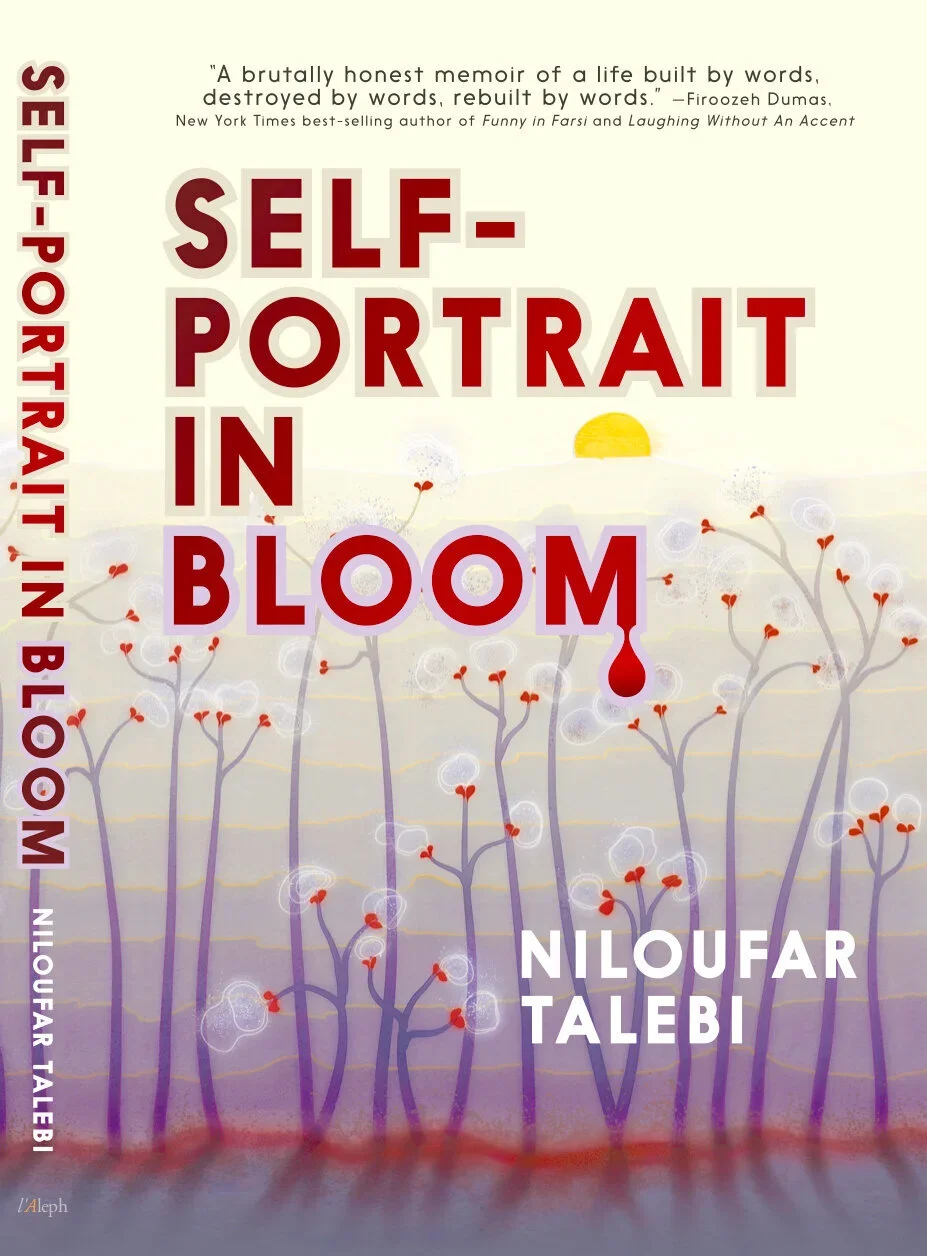
Part memoir, part biography. “There are two books in this book, one portrait of me and one of Ahmad Shamlou. And they intersect," Talebi writes of Self-Portrait in Bloom.
A mix of lyrical prose and critical insights, Self-Portrait in Bloom chronicles Talebi’s encounter with Nobel Prize nominated Iranian poet Ahmad Shamlou’s genius and intertwines it with reflections on the politics of translation and power, a history of Iranian literature, and Talebi’s story of coming into her own as a woman, artist, and immigrant.
Self-Portrait in Bloom delves deep into culture, personal history, and pays homage to Tehran, the city of Talebi's childhood. Told in fragments of prose, poetry, and photographs, this lyrical exploration reimagines the memoir form and in a dramatic climax sets free the details of a hurt that can no longer limit the blossoming of an artist.
(l’Aleph, March 2019)
“Brilliant writers can have brilliant debuts. Elegiac and deep diving into the mind of a genius existentialist, Niloufar Talebi's memoir, Self-Portrait in Bloom, is reminiscent of Sebald. This original work feels true to continuous life and disjointed memory — separate yet forced to be connected. This is a compelling book by a true writer.”
—Amy Tan, author of Where the Past Begins
"A hybrid wonder.”
—The Rumpus
"A passionate defense of the crucial role translation plays in connecting the world, Self-Portrait in Bloom also tells the story of Niloufar Talebi's courage in overcoming profound obstacles to bring her expert translations of world-class Iranian poet, Ahmad Shamlou, to new readers. A brave and remarkable feat."
—Edith Grossman, author of Why Translation Matters
Watch a short poetry-film based on Shamlou’s poem, “Funeral Address” created by Niloufar Talebi with Bobak Salehi

Watch Niloufar Talebi’s TEDx Berkeley talk on her projects inspired by Ahmad Shamlou: her memoir Self-Portrait in Bloom, and the opera, Abraham in Flames